

Blogs

The GoodSeed Blogs

Are you puzzled about worldviews? Perhaps the topic just adds another confusing layer to the challenge of sharing the gospel. At the very least, being worldview sensitive may seem to add a lot of extra time and effort. Is it really that important?

At GoodSeed, we believe that taking into account a person’s worldview is similar to sharing the gospel in a language they understand well. It can make all the difference between a fuzzy or a crystal clear gospel.

Does this mean you need to take hours to study different worldviews and become an expert in world religions? Not at all! 

GoodSeed’s purpose is to supply believers with materials that communicate the gospel clearly to the major worldviews, addressing hang-ups and questions typical to those perspectives. All you need to know is, “Which book for which worldview?” and “What is my friend’s worldview?”

The next few e-newsletters will take a look at questions you can ask, both to direct conversation towards spiritual things, and also to discern the worldview of the friend you’re trying to reach. We’ll look at materials that are written very carefully to address common areas of confusion without attacking a person’s worldview.

In the meantime, a good starting place with any worldview can be to pose the question, “If the Bible is one of the most influential books in history, shouldn’t you look into it?”
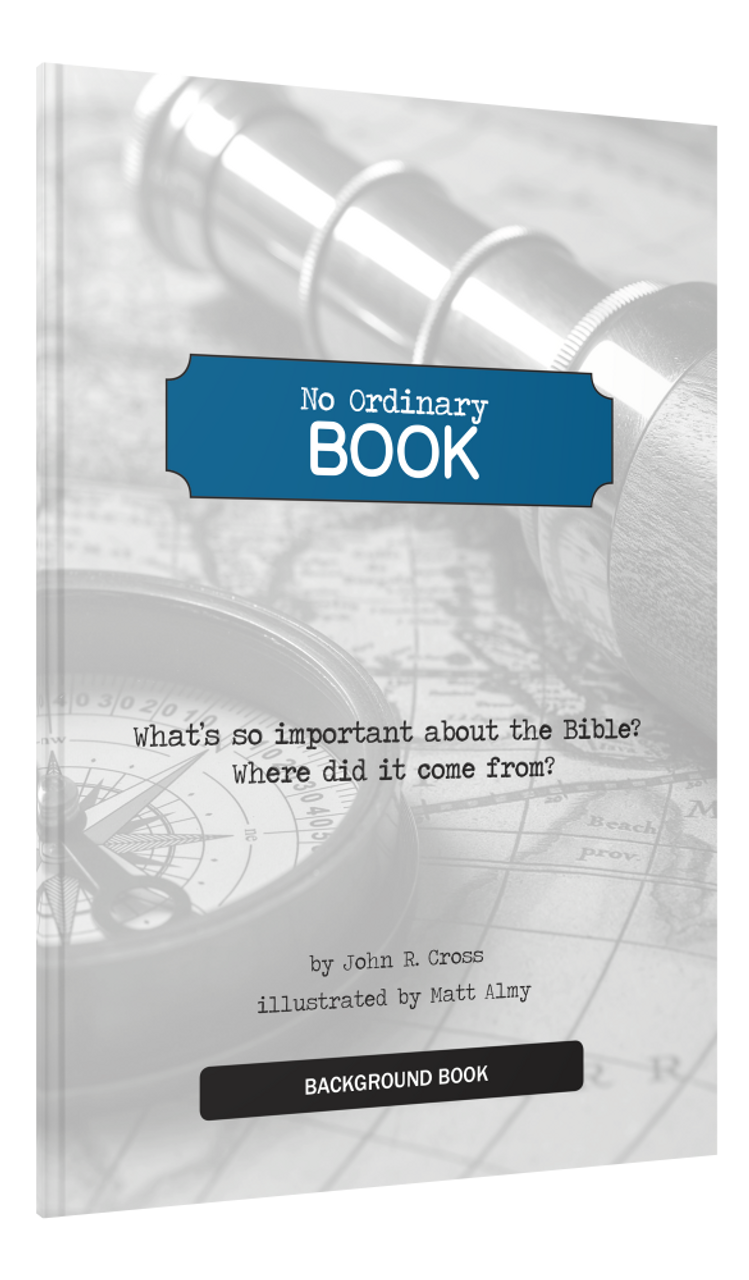
No Ordinary Book

This small booklet is a very brief, light apologetic book. It’s goal is to create enough curiosity about the Bible to spur the reader on to taking the time to investigate the Bible’s message.

This book is easy to read, with illustrations and tables to help the reader along. It can be read in under an hour.

North America: https://ca.goodseed.com/no-ordinary-book-english/

Australasia: https://au.goodseed.com/no-ordinary-book-english/
How will you share the significance of Easter with others?

For those unfamiliar with the Christian faith, Easter is a strange holiday symbolized by bunnies and eggs. The upside of this confusion is that it creates opportunities to share the true meaning behind the holiday. Here’s a few suggestions:

Many Christian commentators have noted a recent shift in Western culture towards a search for established truth and spirituality. While this doesn’t mean more people are necessarily becoming believers, many do seem to be finding certain tenets of Christianity attractive. Below are two recent stories that speak to this shift.

  1. According to a Fox News story, Bible sales are booming. Why is this? It seems  younger generations raised in a post-Christian world are “hungry for truth, and hungry for purpose and meaning and a sense of direction.” Since the Bible has been “the main source of meaning, purpose, value… people are turning back to the Bible…”
  2. Niall Ferguson has added his name to a growing list of avowed atheists who’ve rejected their rejection of God and turned to Christianity in some form or another. Many outspoken “New Atheists” of 15-20 years ago seem to be gaining a new appreciation for what Christianity brings to our broken world and aren’t shy about expressing this evolution in their thinking.

Of course, simply buying a Bible or acknowledging there is a God won’t bring about the kind of personal transformation that our broken world is so desperate for.

But, if that Bible’s message was clear and that God was understood in a way that makes sense, the statistics above might transform into something that has real eternal significance. It seems like the time is ripe for these sorts of interactions.

This is why GoodSeed exists: to provide seekers with an explanation of God’s Word that makes incredible sense and brings about faith in the God of the Bible.


Lead a Bible study

Building a relationship with a person and then leading them through a study of the Bible is tremendously effective. The Worldview Rethink study framework allows you to tailor your study to the worldview of your learner and equips you with a leader’s guide, workbooks, videos and visual aids to bring the Bible’s story to life and aid in clarity and understanding.

Give away the Gospel

Sometimes circumstances don’t allow for a Bible study. When spur-of-the-moment opportunities come, be prepared to share something. Have a book on hand to give away, share a link to stream a video or lend a Radio Theatre to listen to. We have materials for English-as-a-Second Language speakers and in 30+ languages.

Two ways to understand justification and why it’s important

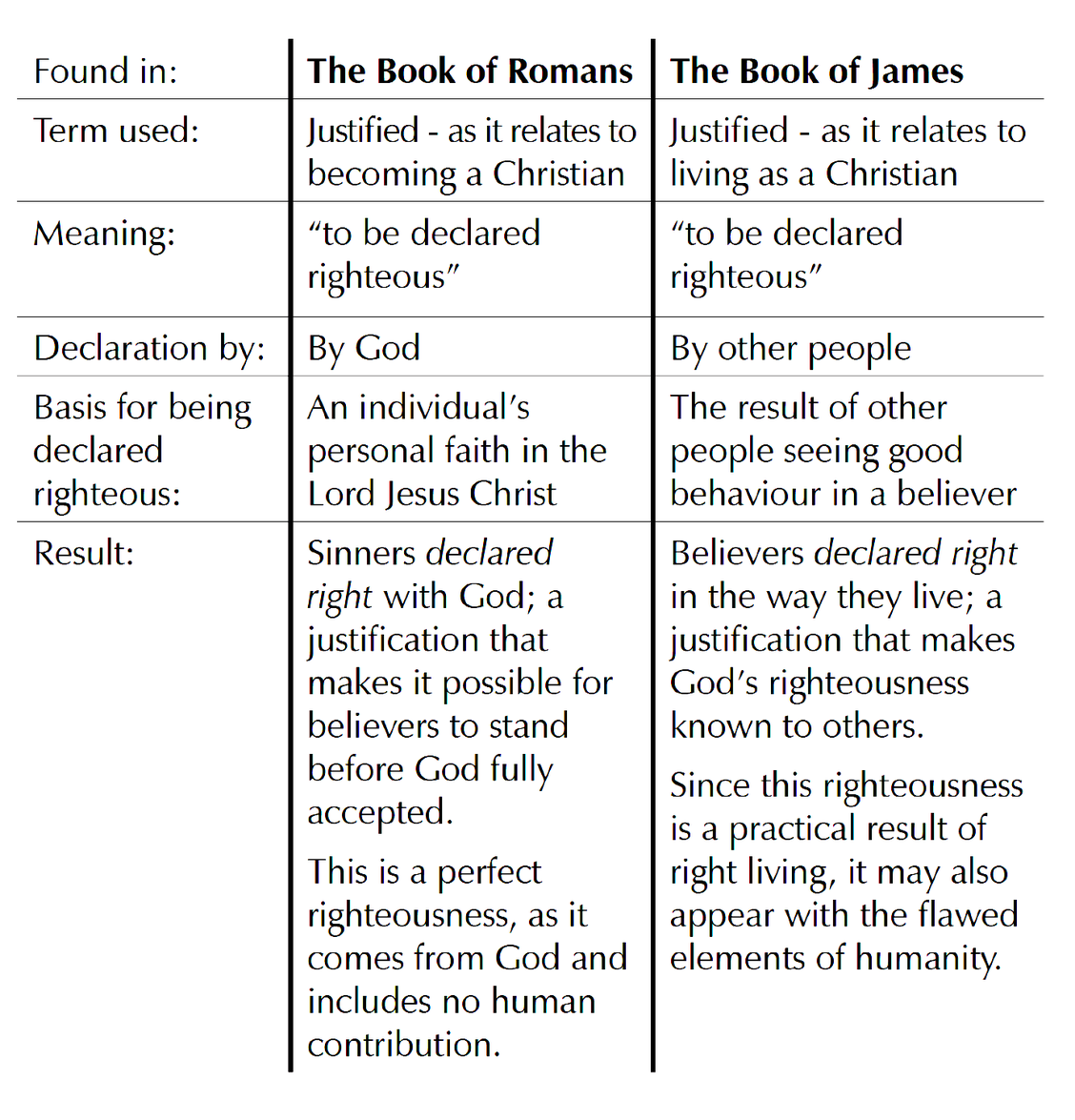
Two books, one written by Paul to the Romans and one written by James, are found in the Bible. Both books speak of an important doctrine called justification. Justification means “to be declared righteous.” But when reading each book, the question becomes: “Who does the book say is declaring me righteous?” and “What does it mean for me?”

Romans explains justification from a legal perspective. In other words, Romans expresses how God is able to declare sinners who place their faith in Jesus’ death and resurrection as “cleansed from all unrighteousness,” even though in this life, we are far from perfect.

James, on the other hand, writes about a practical justification. James speaks of how a believer can be “declared righteous” by the surrounding world, which is observing our lives to see if they match what our mouths say.

In both cases, the writers use the same word, but what they mean for the believer is quite different. You don’t want to confuse the two.

The chart below, from No Ordinary Verdict, gives a brief comparison of the uses in each book:


No Ordinary Verdict

This 48-page booklet takes a deeper look at the essential doctrine of justification. Building upon key concepts learned through reading the No Ordinary Story series, the reader will gain a great appreciation for what it means to be “declared righteous” by God and how that impacts the believer’s daily living. This book can be used all on its own as a resource for learning the concept of justification.

Prisoners set free on death row

Letters from prison are always sobering; letters from death row even more so.

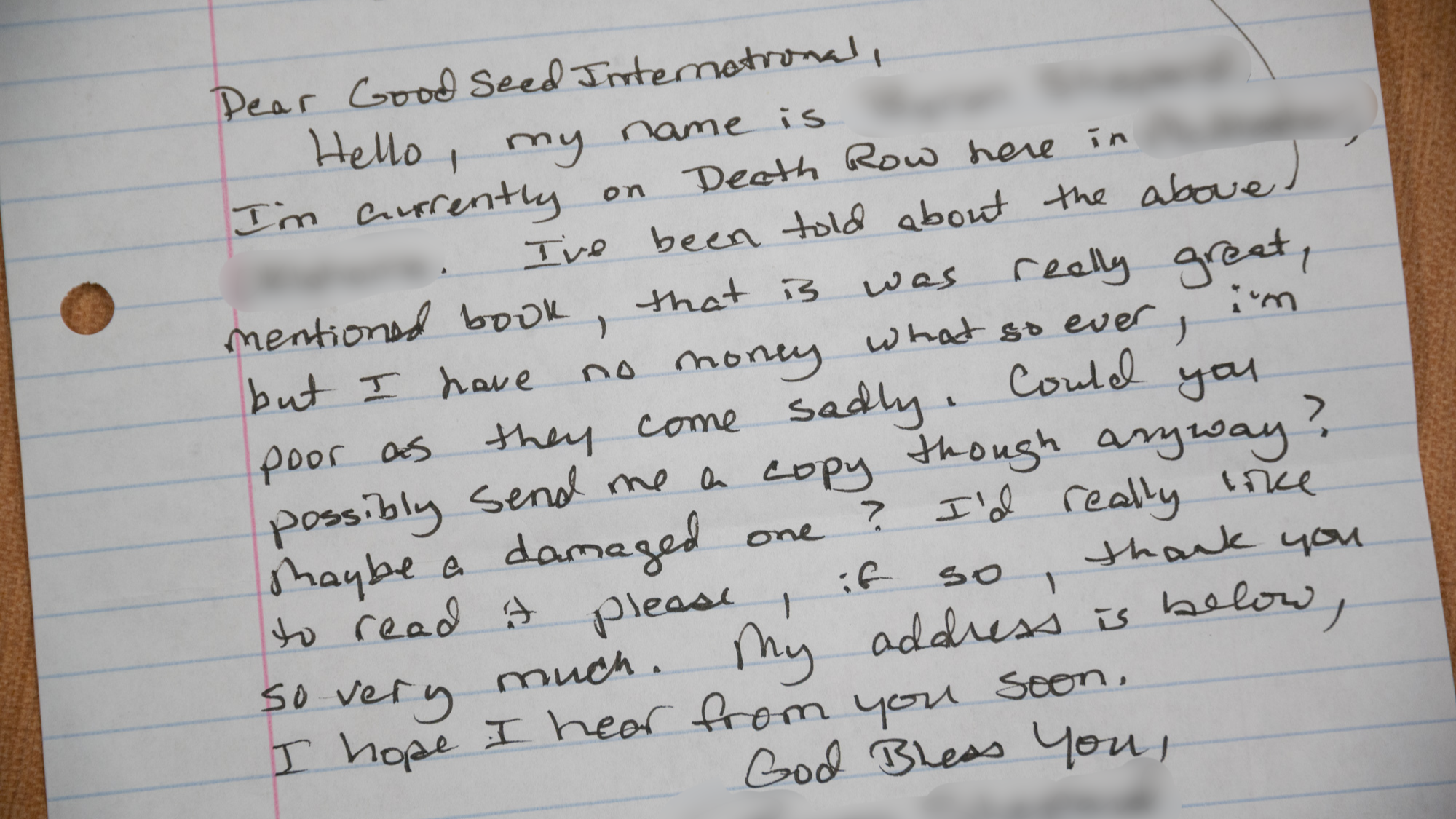
Over the last 3 years, GoodSeed has received occasional letters from an inmate on death row. Having committed a crime punishable by death, he went looking for redemption and found it in Jesus. GoodSeed’s book, By This Name, helped him see his need to put his faith in Christ. Since then he has written about reaching out to others.

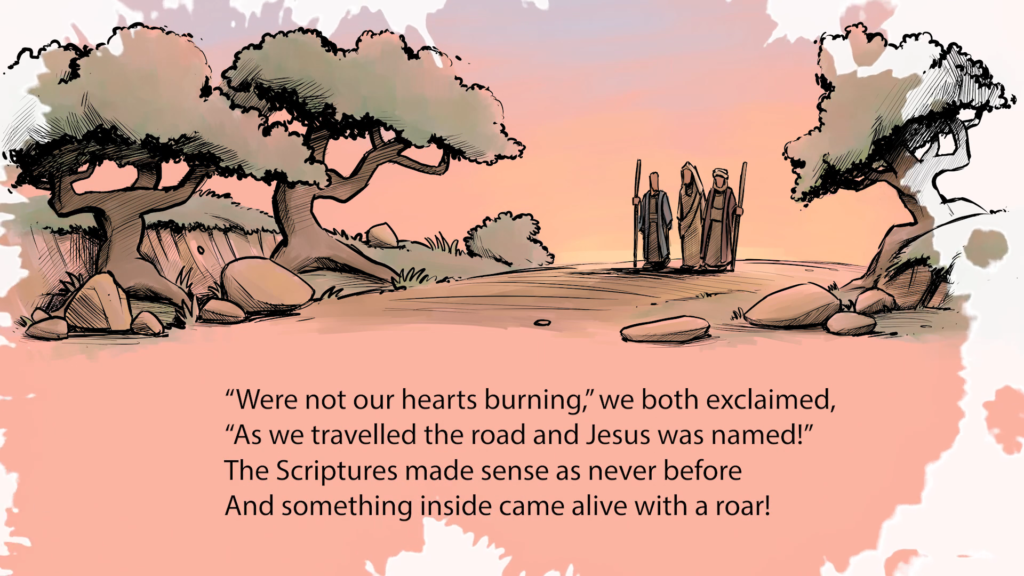
Recently we received another letter from death row at the same prison, this time from a different inmate. Though it’s hard to know, we wonder if the first prisoner’s efforts are bearing fruit. The second inmate requested a copy of The Stranger on the Road to Emmaus, apologetic that he could not pay for it: “I’m poor as they come sadly.”

How true—of us all! Pray with us that as he reads, he will see beyond his financial poverty to his spiritual poverty and that he’ll turn to the One who can make him rich.

Bethany: House of Affliction

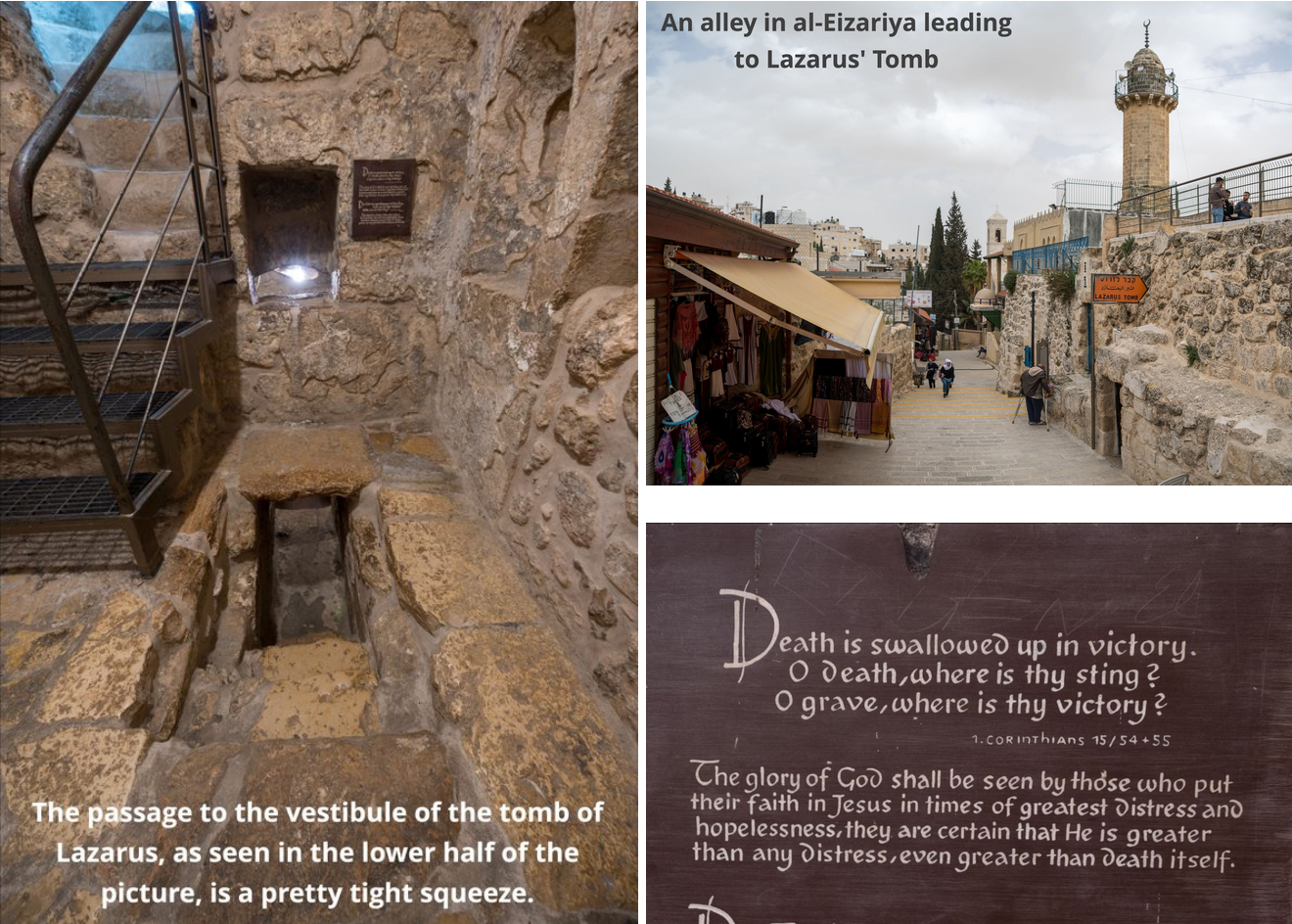
A small town a short distance from Jerusalem, Bethany is mentioned several times in the Gospels and was the hometown of Jesus’ friends, Lazarus, Martha and Mary.

Today, the ancient village of Bethany has been swallowed up by the Arab town of al-Eizariya (Arabic for Lazarus) on the eastern slopes of the Mount of Olives. Amongst the crowded streets, you can visit a location marked as Lazarus’ tomb. There is good reason to believe the location is fairly accurate: archaeology has uncovered a large first-century Jewish cemetery there; the Arabic language has preserved the historical significance of the place; and early Christians chose that particular site for a church to highlight the momentous events which took place there.

There is something about the town itself that gives insight into our Saviour. Bethany can be translated as “House of Affliction or Misery.” With a leper colony located just outside the town during Jesus’ time, such misery would have been hard to avoid. So near an unclean population, Bethany would not have been considered a desirable destination. Yet Jesus seemed to frequently stay there while in Jerusalem.

As our Great High Priest, Jesus could have rightly claimed quarters alongside the priests on Temple grounds in Jerusalem. As Coming King, Herod’s palace was his due. Instead, Jesus chose to stay in Bethany, the House of Misery, rubbing shoulders with the afflicted (Mt 26:6). Then he went a step further and became afflicted himself, bearing our punishment. Praise the Lord for his sacrifice!

“Surely he took up our pain and bore our suffering, yet we considered him punished by God, stricken by him, and afflicted … he poured out his life unto death, and was numbered with the transgressors. For he bore the sin of many, and made intercession for the transgressors.” Isaiah 53:4, 12