
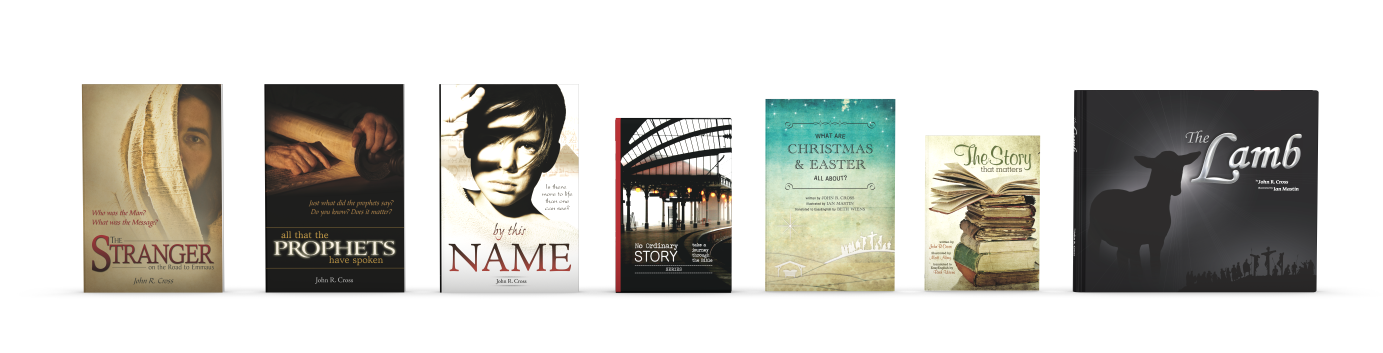
We teach as Jesus taught the disciples on the road to Emmaus, by contextualizing the gospel, telling the story chronologically from Creation to Christ.
Each evangelism books seeks to express these four irreducible minimums of the gospel.
Assuming a person understands terms or ideas only leads to confusion or wrong conclusions, often without either party realizing it! Our materials define terms and clarify even basic ideas to ensure that the reader clearly understands the Bible’s meaning.
Learn more >>
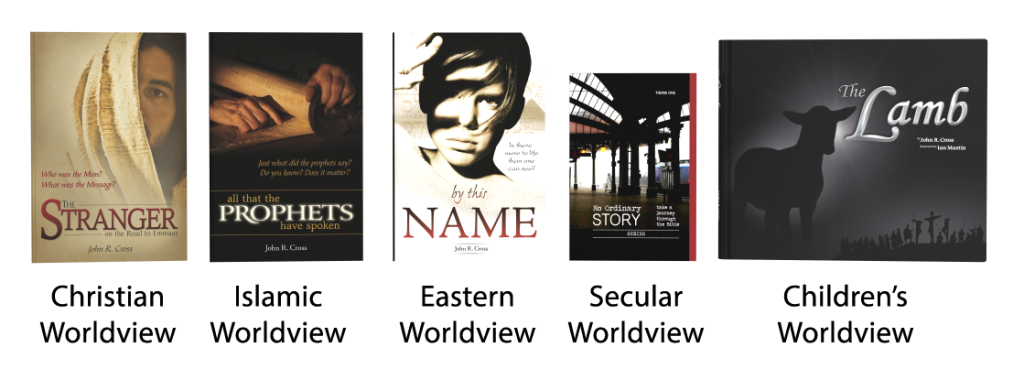
Our materials take into account the unique questions and obstacles presented by the different major worldviews: the Christianized worldview, the Islamic, the Eastern, New-Age perspective, and the secular worldview. In addition, we have materials addressing a child’s worldview.
Learn more >>
The Bible’s message is explained using itself. The goal isn’t to just write about the Bible, but each book includes hundreds of verses explained in context.
The Stranger on the Road to Emmaus: 1200 verses
All that the Prophets have Spoken: 1200 verses
By This Name: ~ 1500 verses
No Ordinary Story: ~ 1000 verses
The Gospel of John is the only book specifically written to help unbelievers understand the Gospel (John 20:31). Our resources are based on the Gospel of John, but include background stories from the Old Testament to lay a foundation of understanding.
Learn more >>
Written in an easy to read and conversational style, our resources follow the Bible’s narrative to explore its most important message. Able to be understood by someone completely unfamiliar with the Bible, it also contains insights a veteran student of the Bible will find helpful.
The tools utilize visual aids, illustrations, and videos to enhance comprehension and retention of key concepts.
Learn more >>
Architecturally, the tools are built around Four Universal Principles of Learning that are used in school and university classrooms every day.
The gospel message is for everyone. Therefore, we seek to make these materials available in many of the major languages, and some rather obscure ones too.
See all our translations >>
“And beginning with Moses and all the Prophets, he explained to them what was said in all the Scriptures concerning himself.” Luke 24:27
GoodSeed materials take a narrative, creation-to-Christ approach, telling the Gospel message in the same way that God revealed his nature and plan to mankind and Jesus used with the disciples on the road to Emmaus. We go through key Old Testament stories to learn about God, man, our condition, and God’s plan to rescue us. We then look at the life of Jesus to see how He fulfilled the Old Testament pictures and prophecies, tying the whole Bible together in one grand narrative of redemption.
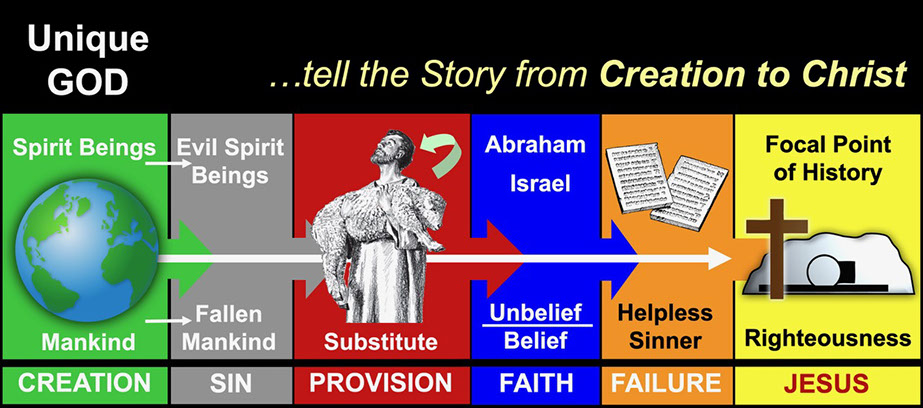
Any message has its irreducible minimums —the core of the message. If you fail to communicate those key essentials then you have not passed on the message accurately. GoodSeed evangelism resources are designed to communicate what we have identified as the four irreducible minimums that must be communicated if the gospel is to be understood.
God exists in all His majesty, being the Creator-Owner of the Universe. He is a loving, caring God but equally He is also a holy lawgiver. His holiness demands that His law be kept perfectly. He can have nothing to do with any lawbreaker. Only perfect people can live with a perfect God.
I was born into the world a lawbreaker, alienated from God. I am far from perfect. God’s law says that all sin demands the death penalty. Not only do I die physically but I face something the Bible calls the second death —an eternity of suffering in the Lake of Fire. Since I am a sinner, there is no way I can avoid death. I am helpless.
Jesus, God Himself, came to this earth to live as a man. He was perfect—sinless. Because He had no sin of his own to die for, He could die for someone else’s sin. In His love, He died in my place—taking the consequences of my sin on Himself. As evidenced by Jesus’ resurrection, God accepted that death as an overwhelmingly sufficient payment for my sin—a fulfillment of the requirement of His holy law.
I believe that when Jesus died on the cross, He died in my place. I rest in the fact that He alone has saved me from the judgment on my sin. In Him, my resurrected Savior, I now have a perfection that is not my own, but is counted as mine because I trust Him. I will enjoy life with God both now and forever in Heaven.
These four essentials are the irreducible minimums of the gospel message. You want to communicate nothing less. Your students can forget other information, but when teaching the gospel, you definitely want them to remember these four facts.
In an ever-changing world filled with different worldviews and competing ideologies, how can we share the good news of Jesus Christ in a way that doesn’t confuse the message or make assumptions of our audience? Does the Bible have anything to say to address a world of people who are indifferent or worse, cold, towards its message of hope?
Most of our gospel presentations are based on 40-year old methods. Back then, assumptions were safely made that people knew who the God of the Bible was. We could say, “God loves you,” and people immediately thought of the God of the Bible. They clearly understood the basics of his identity. But that is not the case today. Today we still say “God loves you,” and we still assume people know what God is like, but more often than not, they don’t. I need not quote statistics to show what we all know from our own experience: that people today have a very garbled perspective of God’s identity. It is a problem in every aspect of our culture and society.

In such situations we need to imitate what Scripture itself does: take the time to build a picture in people’s minds regarding the identity of God. We must recognize that a big chunk of Scripture is dedicated to defining the character of God. And how does it do that? Not with a dry list of attributes, but through stories that reveal God’s nature.
“…we need to imitate what Scripture itself does: take the time to build a picture in people’s minds regarding the identity of God.”
That is where the Bible starts, declaring the power and knowledge of God through creation. That is where the Apostle John begins his book, declaring the God who is the creator. It is where Paul began with his esteemed crowd in Athens. As ambassadors of the gospel, we need to make sure people know a little bit about the identity of the God of the Bible before we leap to the events of the cross and tomb. Otherwise we may find that our “convert” is not trusting the biblical God, but rather an impersonal force or a very corrupt concept of Jesus.
Sharing the gospel in the context of the biblical story line, from creation to the cross, declares a personal, supernatural God at work in history. It clearly defines who God is and what he is like—his identity. More often than not, in today’s world, that is where we must start.
It is only when we have the nature of the biblical God clear in our minds that we can make sense of the world around us and understand what Scripture has to say to mankind. We will look at that in our next post.

Are you puzzled about worldviews? Perhaps the topic just adds another confusing layer to the challenge of sharing the gospel. At the very least, being worldview sensitive may seem to add a lot of extra time and effort. Is it really that important?
At GoodSeed, we believe that taking into account a person’s worldview is similar to sharing the gospel in a language they understand well. It can make all the difference between a fuzzy or a crystal clear gospel.
Does this mean you need to take hours to study different worldviews and become an expert in world religions? Not at all!
GoodSeed’s purpose is to supply believers with materials that communicate the gospel clearly to the major worldviews, addressing hang-ups and questions typical to those perspectives. All you need to know is, “Which book for which worldview?” and “What is my friend’s worldview?”
GoodSeed creates materials that speak into varied worldviews without actually mentioning the worldview being addressed. Common hang-ups and obstacles to the Bible’s message are addressed in the narrative flow, often without the reader being aware that his or her views are being challenged.
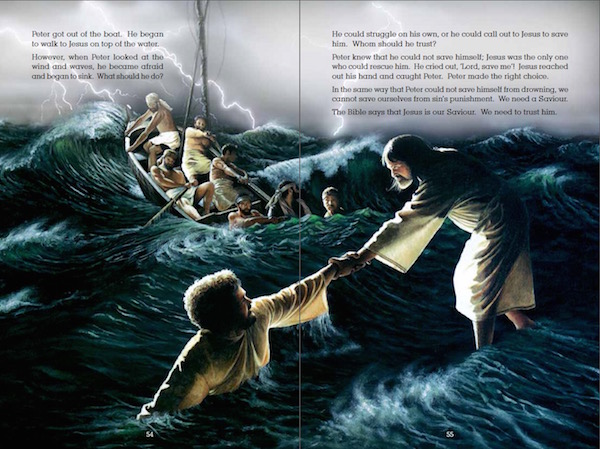
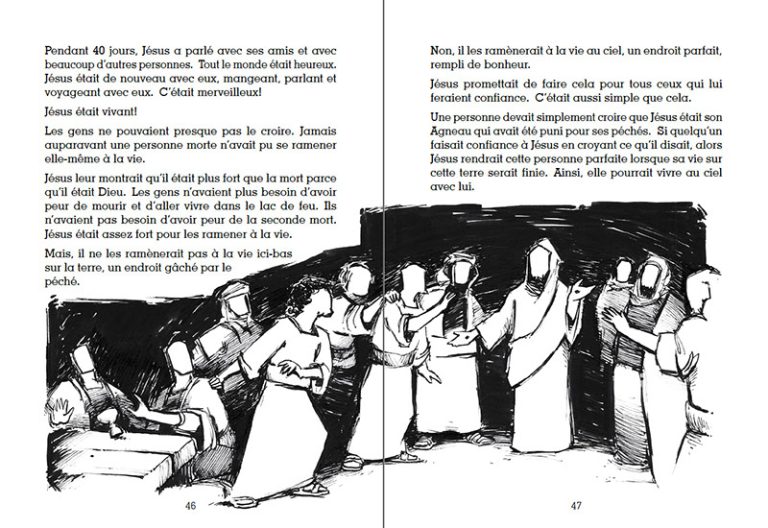
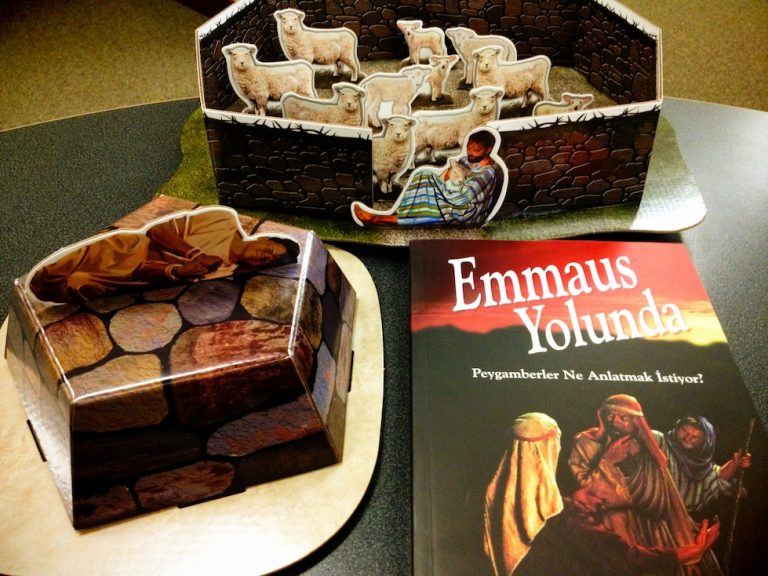
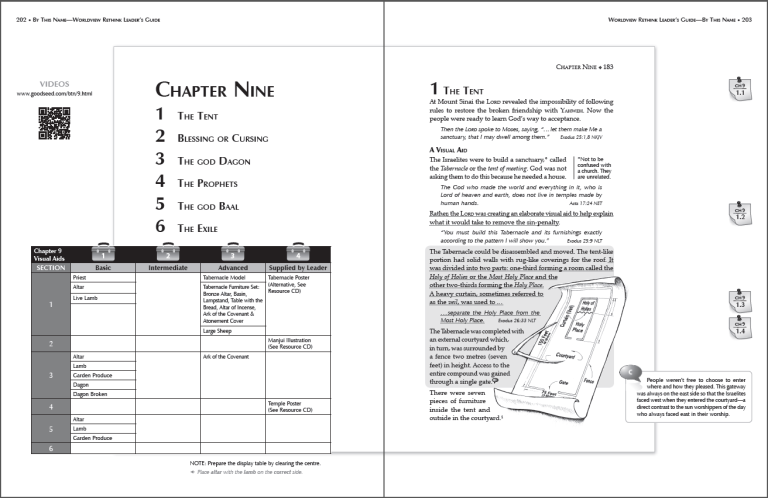
GoodSeed evangelism and teaching resources utilize visual aids, illustrations, charts, and videos to enhance comprehension and retention of key concepts. Some books, such as the No Ordinary Story series, feature illustrations or charts at every page turn. The Lamb and What are Christmas and Easter All About? have full-colour, full-page illustrations.

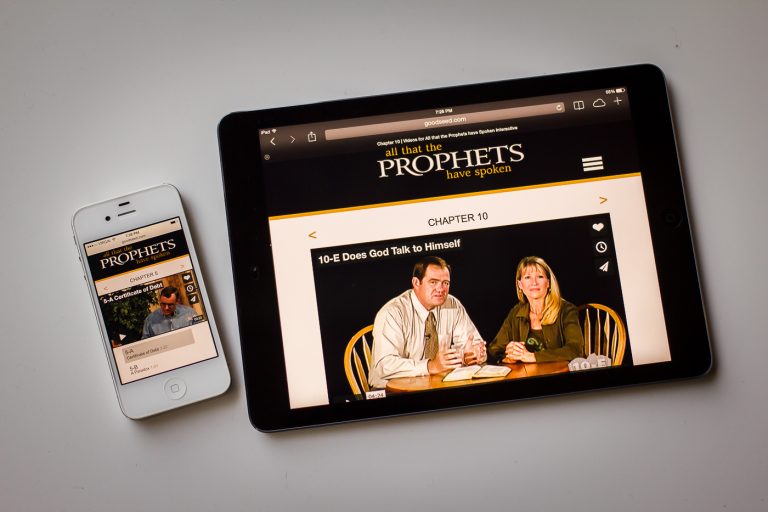



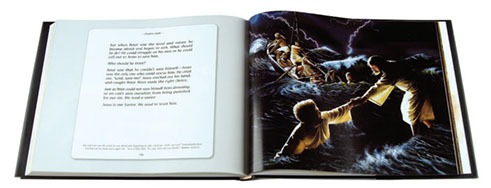
To ensure that we understand the biblical message, GoodSeed resources apply four universal principles of learning that are used in school and university classrooms every day.
1. The Priority Principle
This principle states that when you study a new subject, learn the most important information first. In these first eight booklets, we will focus on the most significant theme in the Bible, the gospel. We will call it Theme One.
2. The Storytelling Principle
We all know that to make sense of a story, one needs to start at the beginning and move step by step through to the end. But many people tend to read the Bible in bits and pieces, resulting in confusion. Since much of the Bible is a narrative, we will simply follow its natural chronological progression starting at the beginning.
3. The Mathematical Principle
Children are not taught algebra in kindergarten. Rather, they learn basic arithmetic: one apple + one apple = two apples. Over time they move to complicated mathematics, such as E= MC². Teaching algebra in kindergarten would result in confused children. In the same way, if you skip Bible basics, you will incorporate unusual ideas, resulting in a muddled message. To avoid that problem, we will progress through the story, building on previously gained knowledge.

4. The Clarity Principle
Over centuries, word meanings can change, but the Bible has a structure that locks the meaning of a word in place. To define a word, the Bible tells a story. Through the story we learn exactly what the word means. It cannot be changed. In this regard, the clarity principle advises us to let Scripture define its own words. When content is new or unfamiliar, the clarity principle also advises a teacher to stick to one subject at a time. We will be doing just that.
Watch this video from No Ordinary Story for more info:
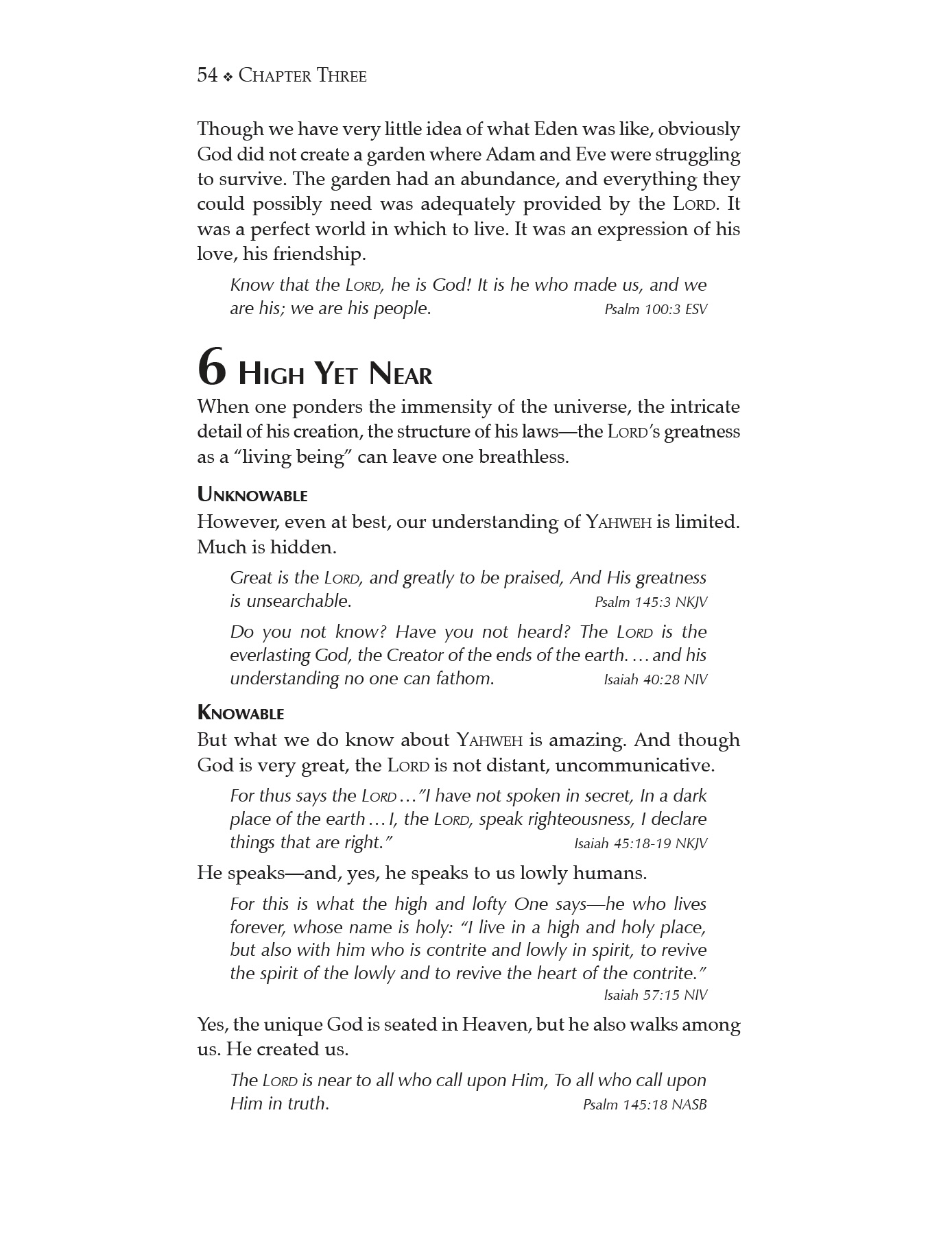
We recognize the power of God’s Word and we incorporate it into our books.
GoodSeed evangelism and discipleship resources feature hundreds of Bible verses explained in context. Whether someone is totally new to the Bible, or a seasoned student of the Bible, they will appreciate the inclusion of Scripture as it explained simply in a way that makes profound sense.
Bible verses are clearly identified in the text and are used to teach and to move the reader forward in the narrative of the gospel message.